
What Gemmotherapy Is and How to Add It to Your Wellness Routine

A Healing Practice Rooted in the Power of New Growth
Gemmotherapy is a branch of phytotherapy that works with the living tissue of young plants. Specifically, it uses buds, young shoots, and rootlets harvested at their peak moment of growth. That moment is significant because it is when a plant concentrates its most active compounds, including growth hormones, vitamins, and trace elements.
The word "gemmotherapy" comes from the Latin gemma, meaning bud or gem. Practitioners see this connection as meaningful because a bud holds the full blueprint of the plant it will become. That concentrated potential is exactly what makes these extracts so interesting as a wellness tool.
How Gemmotherapy Extracts Are Made
Producers harvest buds and shoots at their earliest stage of development, usually in early spring. The fresh material is immediately placed in a solution of water, alcohol, and vegetable glycerin to preserve its active constituents. This maceration process draws out the plant's compounds without using heat, which protects the more fragile elements.
After the maceration period, the liquid is filtered and diluted to a specific ratio. The final extract is gentler than a standard herbal tincture but still carries a meaningful energetic and biochemical profile. Many people find this gentleness makes gemmotherapy a comfortable starting point when they want to add botanical support to their routine.
How Gemmotherapy Differs from Flower Essences
This is one of the most common questions people ask when they first encounter gemmotherapy. Flower essences, like the Bach and Californian lines you may already know, work primarily on an energetic and emotional level. They carry the vibrational imprint of a flower, preserved in water and brandy, and are chosen based on emotional states rather than physical plant chemistry.
Gemmotherapy extracts, by contrast, retain actual plant constituents from the bud tissue. They work on a more physical and nutritive level alongside their energetic properties. The two approaches complement each other beautifully, and many people use both as part of a layered wellness routine.
Common Gemmotherapy Extracts and Their Traditional Uses
Different buds and shoots have different traditional associations in gemmotherapy. Here is a brief overview of some of the most widely used extracts.
- Black Currant (Ribes nigrum): Traditionally considered a broad-spectrum support bud, often used as a starting point in a gemmotherapy protocol. Many practitioners use it to prepare the body before introducing other extracts.
- Rosemary (Rosmarinus officinalis): Associated with liver support and the digestive system in traditional gemmotherapy practice.
- Fig Tree (Ficus carica): Traditionally linked to the nervous system and is often chosen when someone feels emotionally stretched or mentally fatigued.
- Oak (Quercus pedunculata): A classic bud for grounding and physical vitality, often used to support stamina and steady energy.
- Silver Birch (Betula pubescens): Traditionally associated with the joints and connective tissue in gemmotherapy literature.
- Bramble (Rubus fruticosus): Often chosen for skeletal and bone support in traditional practice.
This list is a starting point, not a complete picture. A well-rounded gemmotherapy practice usually involves choosing extracts based on your specific wellness goals and constitution.
How to Take Gemmotherapy Extracts
Gemmotherapy extracts are typically taken as drops, either directly under the tongue or diluted in a small amount of water. Taking them away from meals, usually about 15 minutes before eating, is the most common recommendation. Consistency matters more than large doses, so a small amount taken regularly will generally serve you better than sporadic larger amounts.
Most gemmotherapy protocols suggest starting with one extract and observing how your body responds before adding more. This slow and intentional approach aligns well with the broader philosophy of holistic wellness. It gives you useful information about what your body is asking for at any given time.
Pairing Gemmotherapy with Other Holistic Practices
Gemmotherapy fits naturally alongside other tools in a holistic wellness routine. Many people layer it with flower essences, using gemmotherapy extracts for more physical and structural support while using flower essences to address the emotional patterns underneath. This combination reflects the understanding that physical and emotional wellness are deeply connected.
Crystal work and sound baths can also complement a gemmotherapy practice by supporting the energetic environment in which your body is doing its work. Aura sprays used before or after taking your drops can help you settle into a calm, receptive state. Think of gemmotherapy as one layer in a thoughtful, whole-person approach rather than a standalone fix.
A Simple Way to Start
If you are new to gemmotherapy, beginning with a single well-known extract like Black Currant is a practical first step. Take your drops at the same time each morning before breakfast, and keep a simple journal to note how you feel over the first few weeks. Patterns will begin to emerge that help you decide whether to continue with that extract or add a second one.
Working with a knowledgeable practitioner can make a real difference, especially as you start to build a more personalized protocol. Rev. Michael Allison, a Certified Flower Essence Practitioner, is available to help you think through which extracts and complementary tools make the most sense for your goals.
The Same Plant, Prepared a Different Way
Rosemary is worth pausing on, because it is one of the few plants that shows up on both sides of this shop. The bud extract described above and the flower essence in Sheer Focus Drops (1 oz.) come from the same plant by completely different methods, and they are not interchangeable. The bud is a physical extract. The essence carries the imprint and nothing measurable of the plant at all. People sometimes use both, and if you do it is worth knowing they are doing different jobs rather than doubling one.
Adding It Without Adding Confusion
Adding buds to a routine that already has essences in it can quietly turn into four bottles doing overlapping jobs. A Gemmotherapy Session sorts out what each one is actually for, and the honest result is often fewer bottles rather than more.
Frequently Asked Questions
Is gemmotherapy safe to use alongside flower essences?
Yes, the two practices work on different levels and generally support each other well. Gemmotherapy addresses physical and nutritive aspects of wellness, while flower essences focus on emotional and energetic patterns. Using them together is a common and thoughtful approach in holistic wellness routines.
How long does it take to notice results with gemmotherapy?
Most people begin to notice subtle shifts within two to four weeks of consistent use, though individual experiences vary. Gemmotherapy is a gentle practice, so patience and regular use matter more than expecting immediate results. Keeping a short journal helps you track the changes that might otherwise go unnoticed.
Can I use gemmotherapy extracts with aura sprays or goddess oils?
Absolutely. Gemmotherapy extracts are taken internally as drops, while aura sprays and oils are used externally, so there is no conflict between them. Many people find that using an aura spray before their morning drops helps set a calm and intentional tone for the practice.
Where can I learn which gemmotherapy extract is right for me?
The best starting point is a conversation with a practitioner who understands your wellness history and goals. Rev. Michael Allison offers consultations to help clients identify the most appropriate extracts and build a layered routine that includes gemmotherapy alongside other holistic tools.
Gemmotherapy at Prismatic Flower Essences
Add Gemmotherapy to Your Routine
Book a session and discover how plant bud medicine supports your wellness.
Book Gemmotherapy — $87 Ask Rev. MichaelFlower essences, energy healing, crystals and the modalities described here are complementary wellness practices. They are not intended as a substitute for the care of a licensed health care professional. If you have a medical concern, please consult your health care provider.
Book This Session
Sessions with Rev. Michael Allison, a Certified Flower Essence Practitioner. Tap a session to see what it involves.

Related Articles
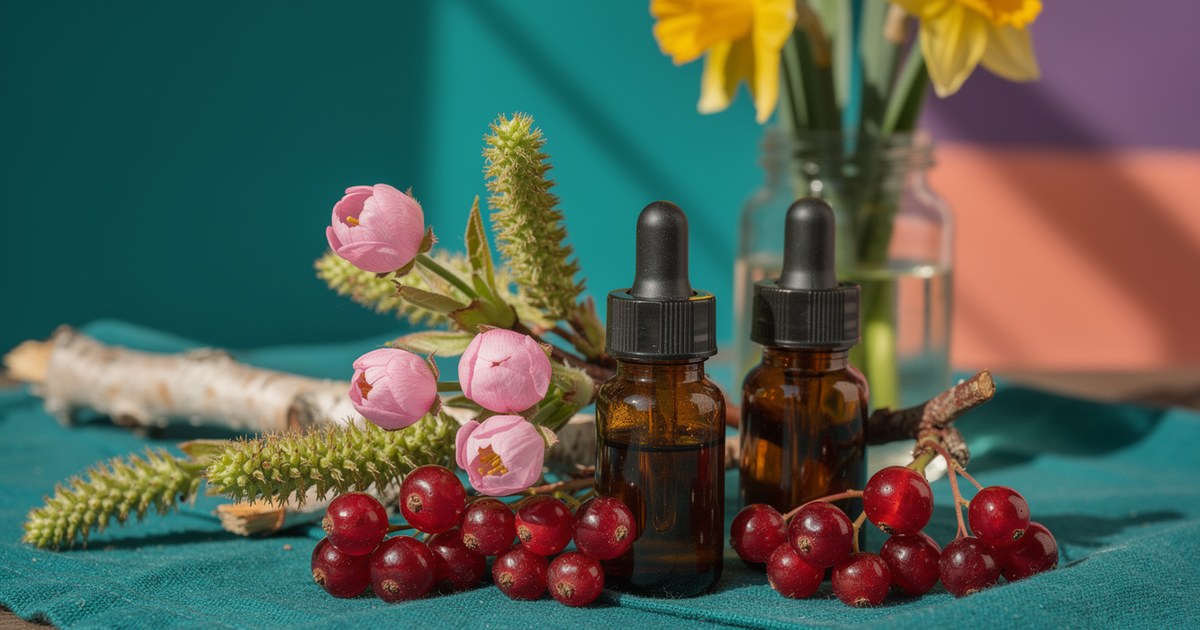
Gemmotherapy Guide: Plant Bud Medicine for Natural Healing
Explore the healing power of gemmotherapy - plant bud medicine for natural health support. Learn how embryonic plant tissues offer unique therapeutic...
A Holistic Wellness Plan Template You Can Fill In Tonight
A holistic wellness plan does not need color-coded charts or a free weekend. This simple one-page template walks you through four anchors, one small...
A Self-Care Routine for Mental Health When You Have No Energy
Most self-care advice assumes you have time and energy to spare. This post shares a small, flexible routine you can follow even on the days when...